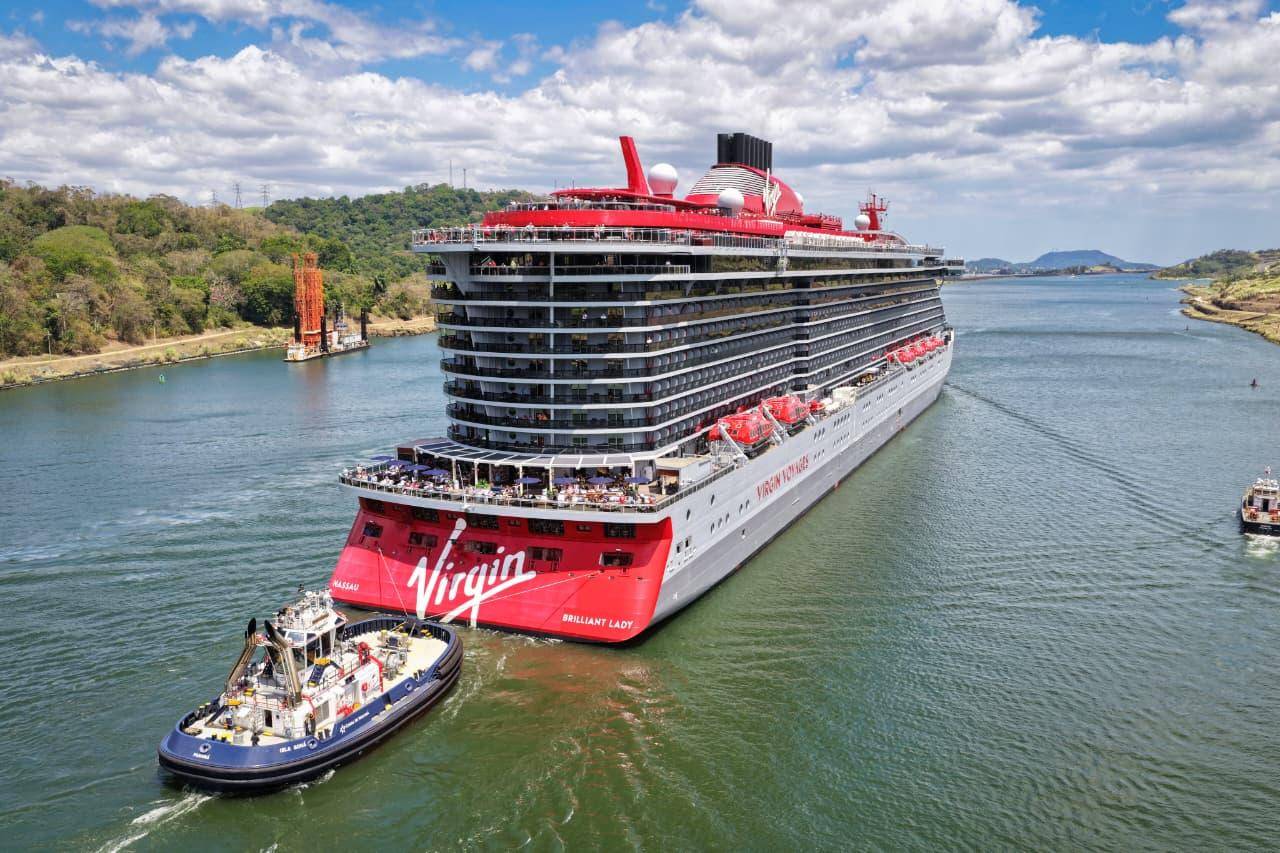
The stereotype is persistent: Panama Canal cruises are for retired couples celebrating a 40th anniversary, and everyone onboard is over 65. It's also wrong — and getting more wrong every year, especially now that lines like Virgin Voyages are sending adults-only ships through the canal on repositioning voyages built for a demographic that doesn't own a single piece of formal cruise wear.
How Many West Coast Cruises Have You Taken?
The demographics of Panama Canal cruises are shifting — here's what's actually driving younger travelers toward these longer voyages.
- Panama Canal transits are repositioning voyages, typically 14-21 nights, and the per-night cost is often lower than a standard 7-night Caribbean cruise — making them one of the best value plays in cruising for anyone with schedule flexibility.
- Remote work has made long voyages viable for millennials and Gen Z professionals who can work from a ship with reliable Wi-Fi, turning two weeks of sea days into a working vacation rather than a PTO drain.
- Virgin Voyages' Brilliant Lady transited the canal in March 2026 on a 16-night repositioning from Miami — an 18+ ship with sunrise wellness programming, themed cycling rides, and a protein smoothie bar — proving that canal transits aren't limited to traditional cruise lines or traditional cruise demographics.
- The canal transit itself is a single-day engineering spectacle — watching lock walls close around your ship from a few feet away is the kind of experience that photographs well, travels well on social media, and doesn't require you to enjoy ballroom dancing to appreciate.
- Repositioning cruises attract a more diverse passenger mix than seasonal sailings — you'll find solo travelers, couples without kids, digital nomads, and yes, retirees, but the vibe skews more independent traveler than package tourist.
The Real Reason Younger Cruisers Are Showing Up on Canal Transits
It's not the canal itself — it's the math. A 16-night repositioning cruise from Miami to Los Angeles can price out under $100 per night in a balcony cabin during shoulder season. That's less than a mid-range hotel in most cities these voyages pass through. For millennials and Gen Z travelers who've figured out that cruising is actually underpriced relative to land-based travel, a Panama Canal transit is one of the best deals available.
The schedule works differently too. These aren't 7-night loops that depart Saturday and return Saturday. Repositioning cruises move a ship from one seasonal home port to another — Caribbean to Pacific in spring, Pacific to Caribbean in fall — which means they run on the cruise line's operational calendar, not the vacation calendar. That makes them easier to find at lower price points and harder for the "peak week" crowd to fill, which in turn changes who books them.
What you get for that price is substantial: multiple sea days to decompress, ports in Central America and Mexico that aren't on standard Caribbean itineraries, and the canal transit itself. The Panama Canal cruise experience is unlike anything else in cruising — your ship rises and falls through a lock system built more than a century ago, surrounded by jungle, with the engineering scale of the thing impossible to appreciate until you're standing at the rail watching it happen.
Promoted by FlowAds

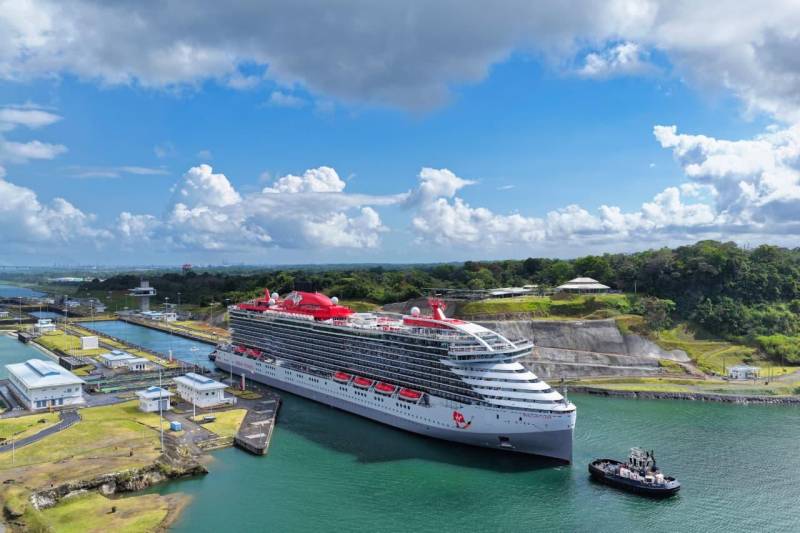
Brilliant Lady Just Proved the Point
In March 2026, Virgin Voyages' Brilliant Lady completed a 16-night Panama Canal repositioning from Miami to Los Angeles — the first time a Virgin ship has transited the canal for a West Coast season. Virgin is an 18+ line with no kids onboard, ever. The onboard demographic skews younger than most premium cruise lines, and the programming reflects it: sunrise wellness rituals, themed cycling rides with curated playlists, protein recovery smoothies with full macro transparency, and a ship designed around open-air fitness spaces rather than formal dining rooms.
Brilliant Lady is now sailing Mexican Riviera itineraries out of LA before heading north to Seattle for Virgin's first Alaska season. The fact that a line built entirely around younger adult travelers chose a Panama Canal repositioning as their West Coast entry says something about where canal cruises are headed demographically.
Cruise Pick of the Month

Virgin Voyages Mexican Riviera, October 2027
Why we picked it: adults-only, with tips and most dining included.


Promoted by FlowAds

This doesn't mean traditional lines are losing their canal business. Holland America, Princess, and Celebrity still run the majority of full transits, and their onboard experience is more classic. But the passenger lists on those ships are changing too. Walk the pool deck on a Holland America Panama Canal sailing and you'll see couples in their 30s mixed in with the retirees — many of them working from their laptops during sea days, then heading to the rail when the next port or lock approach is announced.
Which Lines Make Sense for Which Age Groups
Not every cruise line running the canal appeals to the same traveler, and being honest about that helps more than pretending they're all interchangeable.
Virgin Voyages is the most obvious fit for Gen Z and younger millennials. Adults-only, no formal nights, strong fitness and wellness programming, included dining at multiple restaurants, and a social atmosphere that feels more like a boutique hotel than a cruise ship. Their canal transits are repositioning sailings — not annual fixtures — so availability varies by season.
Norwegian Cruise Line runs both full and partial canal transits and leans into the Freestyle approach — no fixed dining times, no dress codes, a wide range of onboard entertainment. Norwegian Bliss, Encore, and Joy use the Neopanamax locks. The vibe is casual and the age range is broad, making it a comfortable fit for millennials traveling with mixed-age groups.
Celebrity Cruises occupies the premium space — elevated dining, modern design, strong spa programming. The Edge-class ships are stunning and use the Neopanamax locks. Celebrity attracts a slightly older millennial and Gen X crowd, plus younger couples who prefer a more polished experience without the formality of luxury lines.
Holland America Line and Princess Cruises run more Panama Canal transits than anyone else, and their ships include both Panamax-size vessels (which use the original locks with the mule locomotives — a visceral experience) and larger Neopanamax ships. The onboard atmosphere is more traditional, but "traditional" doesn't mean "elderly only." If you want the classic canal transit with the tight original locks, these lines are where to look. Choosing the right cabin side matters more on these longer voyages — port side for westbound, if you want the Pacific sunsets.
Luxury and expedition lines — Oceania, Azamara, Silversea, Regent, Seabourn, Windstar — run canal transits on smaller ships that fit the original Panamax locks. The passenger demographic skews older and more affluent, but these ships also attract younger travelers who prioritize destination depth over onboard entertainment. If you're under 40 and drawn to the idea of a smaller ship with 300 passengers instead of 3,000, these are worth pricing out.
What Younger Cruisers Should Actually Know Before Booking
A Panama Canal cruise is a long voyage. Full transits run 14 to 21 nights. If you've never done more than a 7-night cruise, that's a different commitment — more sea days, more time with the same passengers, more reliance on your cabin as a living space rather than just a place to sleep. For some people that sounds like heaven. For others it's a dealbreaker. Know which one you are before you book.
Wi-Fi has improved dramatically across every major line, but "improved" doesn't mean "reliable enough for daily Zoom calls on every ship." If you're planning to work remotely during the transit, check the specific ship's internet package and read recent passenger reviews about connectivity — not the cruise line's marketing page. Virgin and Princess tend to have the strongest Wi-Fi at sea right now — Princess MedallionNet in particular is Starlink-enhanced and consistently rated among the best. Celebrity is solid. Holland America has improved but can still be inconsistent on longer sea-day stretches.
The canal transit day itself is a full-day experience — 8 to 10 hours from first lock to open ocean. It rewards mobility, not cabin lounging. You'll want to be on the top deck, at the bow, moving from side to side as the ship enters each lock chamber. Your balcony matters more for the sea days before and after the canal than for the transit itself.
Repositioning pricing can be genuinely excellent, but flights are a factor. You're starting in one city and ending in another, which means a one-way flight home. Budget that in. Sometimes the cruise fare savings more than cover it. Sometimes they don't. A travel advisor can help you model the full cost — if you want to work with Heather at Flow Voyages, that's exactly the kind of comparison she runs for clients.
The Canal Doesn't Care How Old You Are
The Panama Canal was built to move ships between oceans. It doesn't have an age minimum or a demographic preference. The experience of watching a lock chamber close around your ship — the walls rising, the water churning, the hull clearing the concrete by what looks like inches — hits the same whether you're 25 or 75.
What's changed is that the cruise industry has finally caught up to the reality that longer voyages appeal to more than one generation. Remote work made the schedule possible. Repositioning pricing made the cost accessible. And lines like Virgin Voyages made the onboard experience something younger travelers actually want.
If you've been writing off Panama Canal cruises as something you'll do "someday when you're retired," reconsider. Someday is available right now, and the price is probably better than you think.
Thanks for reading. We hope this was helpful!
Why stop now?
Participate In Our Polls | Ask or Answer A Cruise Question | Contact Heather to Book Your Next Cruise!