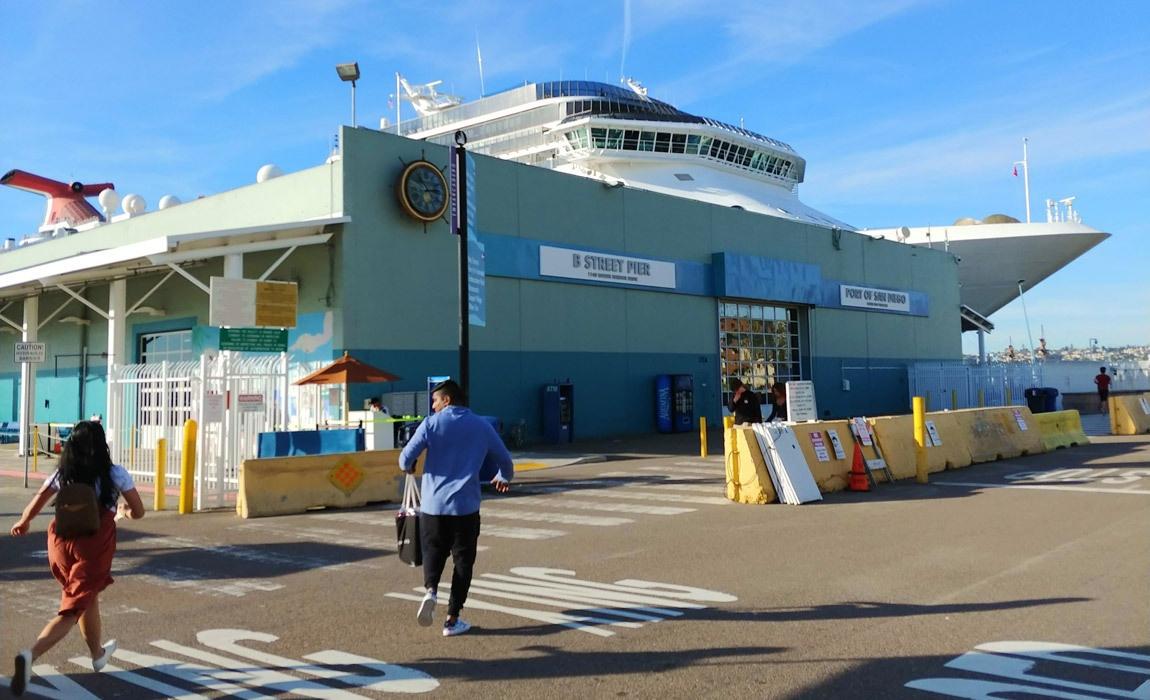
Miss your cruise ship's all aboard time and you'll face an expensive, stressful situation - potentially paying hundreds or thousands of dollars to catch up with the ship at the next port, or watching your vacation sail away entirely. Every port has a designated ship's agent who becomes your lifeline if you're left behind, coordinating with the captain and helping arrange transportation to the next destination. The good news: with some basic planning and awareness, this scenario is entirely avoidable.
What Is Your Favorite Type Of Cruise Excursion?
If you find yourself watching your cruise ship pull away from the dock, here's your immediate action plan.
- Find the port agent: They're stationed at the port specifically to help stranded passengers and can communicate directly with your ship about next steps
- Check for your belongings: If the crew knew you were running late, your passport, phone, and medications may already be waiting with the port agent
- Prepare to pay your own way: Flights, hotels, and transportation to the next port typically cost $500-2,000+ and are your responsibility
- Know that Alaska complicates rejoining: Federal maritime law may prevent you from boarding at the next U.S. port - you might need to meet the ship in Canada or fly home
- Call ahead if you're cutting it close: Early communication gives the ship options that a last-minute sprint to the pier does not
I've had a few close calls over the years that taught me these lessons the hard way. The closest was in Georgetown, Grand Cayman, when my companions and I were having too much fun at a rum distillery. We looked up in a not exactly sober condition and discovered we had exactly 30 minutes until the last tender back to the ship - with about a 20-minute ride and a 10-20 minute expected taxi wait ahead of us. Thankfully, we weren't the last to arrive and the tender departed late. That anxiety of potentially missing the boat is not a feeling I wish on anyone.
Another close call happened during a whale watching excursion out of Victoria, British Columbia. Our boat developed engine problems, and at one point the captain and engineer were tending to an engine giving off smoke while we sat in the middle of the Salish Sea. We made it back on time, but it reinforced why buffer time and proper planning matter so much.
Why Cruise Ships Won't Wait For Late Passengers
Cruise ships operate on extremely tight schedules with little room for delays. At many ports, a harbor pilot is waiting offshore at an appointed time to guide the ship out, and late arrivals mean hefty fees for the cruise line. Even a 30-minute delay can cascade into problems at the next port or force adjustments to the entire onboard schedule.
With 2,000-6,000+ passengers aboard modern cruise ships, someone missing the departure is almost statistically guaranteed on any given sailing. Captains will keep the gangway up as long as reasonably possible when they know passengers are running late, but that window is usually measured in minutes, not hours. The comfort, safety, and schedule of thousands of other guests takes priority over a few stragglers.
Ports Where Late Returns Happen Most Often
Certain ports see more stranded passengers than others, and understanding why can help you plan accordingly.
Beach and bar destinations like Cozumel and Ensenada, Mexico see frequent late returns because guests lose track of time while drinking at beach clubs or exploring town. The combination of alcohol, relaxation, and unfamiliar surroundings is a recipe for missed departure times.
Alaska ports present a different challenge. Many popular excursions - whale watching trips, helicopter flights to glaciers, train tours to remote areas - take passengers far from the pier. Mechanical problems, weather delays, or wildlife sightings that extend the tour can all eat into your return buffer. When you're 40 miles from the ship on a bus tour, there's no quick Uber solution if things run long.
Even port infrastructure can create unexpected bottlenecks. In Ketchikan, larger ships often dock at Ward Cove rather than downtown, requiring a shuttle bus to reach the main attractions. The return buses can be notoriously overcrowded, and thinking you have plenty of time by catching "the last bus" doesn't account for capacity limits. I've rushed back to the bus stop more than once, heart rate elevated, hoping the line wouldn't be too long and seats would still be available. Whether anyone has actually missed their ship due to Ward Cove bus capacity, I can't say for certain - but I can tell you the anxiety is real, and it reinforces why building that buffer matters even when you think you've planned perfectly.
Tips To Avoid Being Left Behind
These practical steps will help ensure you're never watching your cruise ship sail away without you.
- Verify ship's time before disembarking. Your ship may operate on a different time than the local port - sometimes an hour or more difference. Check the daily newsletter or ask at Guest Services before heading ashore. Getting back at 5pm local time when the ship departs at 5pm ship's time means you're already too late.
- Write down or photograph the all aboard time. Text it to your travel companions, set a phone alarm for 45 minutes before, and keep the daily newsletter with you. Don't rely on memory when you're relaxed and distracted.
- Keep a digital copy of your passport on your phone. While carrying a REAL ID-compliant driver's license or passport card is smart, having your passport accessible helps if you need to arrange emergency transportation or deal with local authorities.
- Carry extra cash. Credit cards work most places, but cash eliminates any issues with taxi drivers who don't accept cards. It also provides incentive for a driver to get you to the port quickly if you're cutting it close.
- Book cruise line excursions for distant destinations. When a tour takes you far from the port, booking through the cruise line provides a critical safety net. If a cruise line excursion runs late, the ship will either wait or arrange your transportation to the next port at no cost to you. Independent excursions offer no such protection - you're entirely on your own if something delays your return.
- Plan a 30-45 minute buffer. Return to the pier area with time to spare. Most cruise ports have bars, restaurants, or shops near the gangway where you can grab a drink or browse souvenirs while staying close to the ship. This eliminates the stress entirely.
- Know your port agent contact. The ship's daily newsletter typically lists the port agent's contact information, though some cruise lines communicate this better than others. On our Brilliant Lady cruise last month, Virgin Voyages displayed port details on screens near the elevators and throughout the ship - not just departure times but the port agent's contact information as well. We snapped photos of those displays before heading ashore, ensuring we had the info readily available if something went wrong. Whatever cruise line you're sailing, save that contact to your phone before disembarking.
What Happens When You Miss The Ship
If you arrive at the pier after your cruise ship has departed, here's the process you'll face.
First, locate the ship's port agent. This person serves as the liaison between the cruise line and the shore, and they're stationed in the port area specifically to help stranded passengers. The port agent can communicate directly with your ship to determine your options - whether that's arranging a tender or pilot boat to reach the ship in the harbor (rare and entirely at the captain's discretion), booking transportation to the next port, or helping you arrange flights home.
If the ship's crew knew you were running late, they likely removed your essential items - passport, phone, medications - from your cabin before departure. These will be waiting with the port agent. If the crew wasn't aware you'd miss the ship, your belongings remain aboard and will need to be shipped to you later or retrieved when you rejoin the vessel.
Factors the captain considers before offering any accommodation include the location of the next port, tides and currents, your nationality and documentation, and any fees or penalties the ship would incur by waiting. In most cases, the logistical challenges and costs make waiting impractical. You'll be arranging your own transportation to catch up.
When Catching Up Becomes Complicated
For cruises sailing between U.S. ports - particularly common on Alaska itineraries departing from Seattle - a law called the Passenger Vessel Services Act creates an additional hurdle. Foreign-flagged ships (which includes most major cruise lines) cannot transport passengers between two U.S. ports without stopping at a foreign destination. This means if you miss your ship in Juneau, you typically cannot rejoin until the ship reaches a Canadian port or returns to the departure city. For one-way Alaska cruises ending in Whittier or Seward, rejoining may be impossible.
What Your Cruise Ship Will Do If You're Missing
When the ship prepares to depart and your cruise card hasn't been scanned back aboard, the crew follows a specific protocol. They'll attempt to locate you by checking your cabin and common areas. If you're not found and the departure time arrives, the captain makes the call to sail.
In cases where passengers are clearly missing (not just running late), the cruise line coordinates with the port agent and may file reports with local authorities if there's concern about your safety. Your emergency contact information from your cruise booking becomes relevant at this point.
The bottom line: the ship will sail on schedule. Your responsibility is to be aboard before the all aboard time, regardless of circumstances.
Why Smart Cruisers Always Return Early - And Enjoy Port Days More
The simplest solution to never becoming a pier runner is treating the all aboard time as 30-45 minutes earlier than posted. Use that buffer to grab a final margarita at a portside cantina, browse the last few shops, or simply people-watch near the gangway. You'll squeeze every drop of enjoyment from your port day without the anxiety of watching the clock. One detail worth noting: if you're on a shore excursion and realize you'll be cutting it close, call the port agent immediately rather than hoping for the best - early communication gives the ship options that a last-minute sprint to the pier does not.
Thanks for reading. We hope this was helpful!
Why stop now?
Participate In Our Polls | Ask or Answer A Cruise Question | Contact Heather to Book Your Next Cruise!