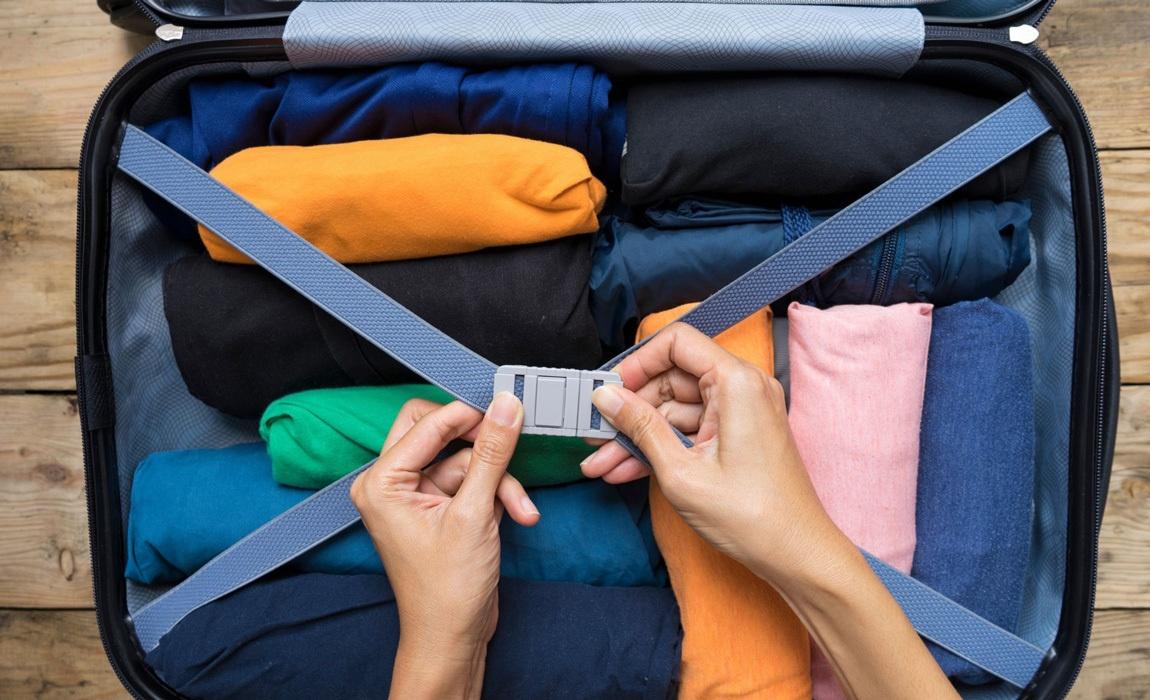
Packing for an Alaska cruise is simpler than most people make it. After multiple sailings through the Inside Passage, the biggest lesson we've learned is that flexibility beats volume every time - and the coastal weather during cruise season is far more moderate than most first-timers expect.
What Is Your Favorite Type Of Cruise Excursion?
Alaska cruise season runs May through September, and the weather along the Inside Passage stays milder than you'd think. Here's what we wish someone had told us before our first sailing.
- Summer temperatures at Southeast Alaska cruise ports like Juneau, Ketchikan, and Skagway typically range from the upper 40s to low-to-mid 60s - closer to a cool San Francisco day than the frozen tundra people imagine.
- Rain is a bigger factor than cold - Ketchikan averages over 140 inches of rain annually, making a packable rain jacket more critical than a heavy winter coat.
- The ship itself is climate-controlled and comfortable, so most of your wardrobe is for the 6-8 hours you spend in port and the time you choose to spend on deck.
- Layering three lightweight pieces outperforms one bulky jacket because Alaska weather can shift from sunny to overcast to drizzling within a single shore excursion.
- Most cruise ships offer onboard laundry facilities, which means you can pack lighter than you think and rewear your best layers throughout the voyage.
Alaska's Cruise Season Weather Is Not What You Think
The anxiety around packing for Alaska comes from a simple misconception: people picture Anchorage in January and pack accordingly. But the Alaska you'll experience on an Alaska cruise is coastal Southeast Alaska during summer, and the climate is closer to the Pacific Northwest than the Arctic.
During peak cruise season from June through August, ports like Juneau, Ketchikan, and Skagway see daytime highs in the low-to-mid 60s with lows in the upper 40s and low 50s. July tends to be the warmest month, and Juneau occasionally pushes into the low 70s on a good day. Near glaciers - Glacier Bay, Hubbard Glacier, Tracy Arm Fjord - temperatures drop noticeably, and the wind from the ship moving through those corridors adds a real chill. But even then, we're talking about needing a jacket and a warm layer, not expedition gear.
Rain matters more than cold. Ketchikan is one of the wettest towns in the United States, and even Juneau sees its share of drizzle. A rainy 55-degree day feels much colder than a dry one, and that distinction should drive your packing decisions more than the thermometer alone.
Check the 10-day forecast for your specific ports before you finalize your bag. Conditions in Skagway, sheltered by coastal mountains, can be noticeably drier than Ketchikan on the same day.
The Lightweight Hoodie That Does Everything
I've found that one piece of clothing earns more use on an Alaska cruise than anything else I pack: a lightweight, slightly oversized hoodie.
It's the layer I throw on when we're up on deck watching the ship glide through Glacier Bay at 9 PM and the air has that sharp edge to it. It's what I wear walking through Skagway in the morning before the sun burns off the fog. And when a shore excursion hike warms me up faster than expected, it rolls up and tucks into a waterproof backpack without adding weight.
The hoodie works because it sits in the sweet spot between too warm and not warm enough. A fleece is great until you're walking uphill in Juneau and start overheating. A windbreaker is great until you're standing still on deck and the wind cuts through it. The hoodie handles both. It layers under a rain jacket when the weather turns, and it's comfortable enough on its own for an evening stroll around the ship.
Pack one that's soft enough to lounge in your cabin with, roomy enough to layer over a t-shirt or long sleeve, and light enough that you don't resent carrying it.
A Packable Rain Jacket Is Non-Negotiable
This is the single most important piece of outerwear for an Alaska cruise, and it's not close. Even on days when rain isn't in the forecast, you'll want it.
Heather and I each carry an inexpensive, lightweight Columbia rain jacket that packs down to roughly the size of a water bottle. We've worn them through drizzle in Ketchikan, wind on the deck during Glacier Bay scenic cruising, and spray on zodiac excursions where the boat kicks up water every time it hits a wave. The jacket keeps the wind out, keeps the moisture off, and doesn't trap heat the way a heavy coat does.
The key is finding one that's genuinely packable. A rain jacket that takes up half your daypack defeats the purpose. You want something you can stuff into your bag in the morning "just in case" and forget about until you need it. When you do need it, you'll be glad it's there. When you don't, you'll be glad it's not taking up space.
Skip the heavy winter coat. A rain jacket layered over your hoodie and a base layer handles everything Alaska's cruise season will throw at you.
Base Layers, Middle Layers, and How to Think About Them
Layering is the most repeated piece of Alaska cruise packing advice for a reason - it works. But the concept is simpler than most packing guides make it sound.
Base layer: Merino wool t-shirts and underwear are the standout here. Merino regulates temperature in both directions - it insulates when it's cold and breathes when you warm up. It's also naturally odor-resistant, which matters when you're wearing the same base layers across multiple days. Pack two merino t-shirts and rotate them. Merino wool socks are equally worth it; cotton socks in wet Ketchikan are a recipe for blisters.
Middle layer: This is where your hoodie, a light sweater, or a zip-up fleece lives. The middle layer is what people see in most of your photos - it's the layer you wear walking through port towns, sitting at dinner on the ship, and standing on your balcony with a pair of binoculars watching for humpback whales. Pick pieces that look good and feel comfortable, because you'll be living in them.
Outer layer: Your rain jacket. That's it. You don't need a parka, a down vest, and a rain jacket. One quality, packable, wind-and-water-resistant shell over your middle layer handles the worst of it.
The beauty of this system is that you can adjust throughout the day without going back to your cabin. Warm afternoon in Skagway? Hoodie comes off, goes in the daypack. Wind picks up near Hubbard Glacier? Rain jacket goes on over the hoodie. It's modular, and it keeps your suitcase light.
Footwear, Swimsuits, and the Stuff People Forget
Waterproof shoes or boots are worth the suitcase space. Port towns like Ketchikan and Skagway have wooden boardwalks that get slick when wet, and shore excursions often involve uneven trails. A pair of water-resistant hiking shoes or boots with good traction will serve you on every excursion. Bring a second pair of comfortable shoes for the ship - something you can slip on for dinner or walking the promenade deck.
A swimsuit surprises a lot of first-time Alaska cruisers. The ship has heated pools and hot tubs, and sliding into a hot tub on the top deck while watching glaciers drift by is one of those Alaska cruise moments that sticks with you. Pack one even if swimming in Alaska sounds unlikely.
Sunscreen and sunglasses are critical and easy to underpack for. During June and July, Southeast Alaska gets 18 to 20 hours of daylight. Sunlight reflecting off glaciers and snow-covered peaks intensifies UV exposure, and it's easy to burn when the air feels cool enough that you don't think about sun protection. Pack SPF 30 or higher and reapply before glacier-viewing days.
A packable daypack makes shore excursions dramatically easier. You need something to carry your rain jacket, water bottle, sunscreen, and whatever layers you've peeled off as the day warms up. We've written a full roundup of lightweight waterproof backpacks for Alaska cruise tours if you need a recommendation.
One outfit for evening dining. Most Alaska cruise lines keep the dress code relaxed, but many ships have at least one smart-casual or dressy evening. A collared shirt or blouse and a clean pair of slacks handle it. You don't need a suit or a formal gown - one polished outfit that doesn't wrinkle easily is enough.
Pack for the Ship, Not the Expedition
The mistake most people make with Alaska cruise packing is treating it like a backcountry expedition instead of a cruise with outdoor excursions mixed in. You'll spend more time on a climate-controlled ship than you will standing on a glacier. The cabin is warm. The dining room is warm. The lounges and theaters and bars are all warm. Most of your wardrobe is for the 6-8 hours a day you choose to spend outdoors - and even then, Alaska's coastal summer weather is gentler than its reputation suggests.
We pack shorts and t-shirts for the ship, jeans and a couple pairs of nicer slacks for port days and dinners, the hoodie and rain jacket for anything outdoors, and merino base layers to keep everything comfortable underneath. That's the core of it. The rest - a swimsuit, sunscreen, good shoes, binoculars, a daypack - fills in around the edges.
If your ship has laundry facilities, use them mid-voyage. Washing a few key pieces halfway through a seven-day sailing means you can pack half as much and still have fresh clothes every day.
One last thing: check your cruise line's specific shore excursion offerings before you pack. If you've booked a helicopter glacier tour or a kayaking excursion, the tour operator will provide specialized gear like waterproof pants and parkas. You don't need to buy expedition-grade clothing for a single activity when the operator has it covered.
The suitcase that serves you best on an Alaska cruise is the one with room left in it when you zip it shut. A hoodie, a rain jacket, merino base layers, and good shoes will carry you from Ketchikan to Glacier Bay - and leave space for the smoked salmon and Tlingit art you'll bring home.
Planning your Alaska cruise? Heather Hills at Flow Voyages specializes in Alaska itineraries and can help you book a cruise that matches exactly what you're looking for.