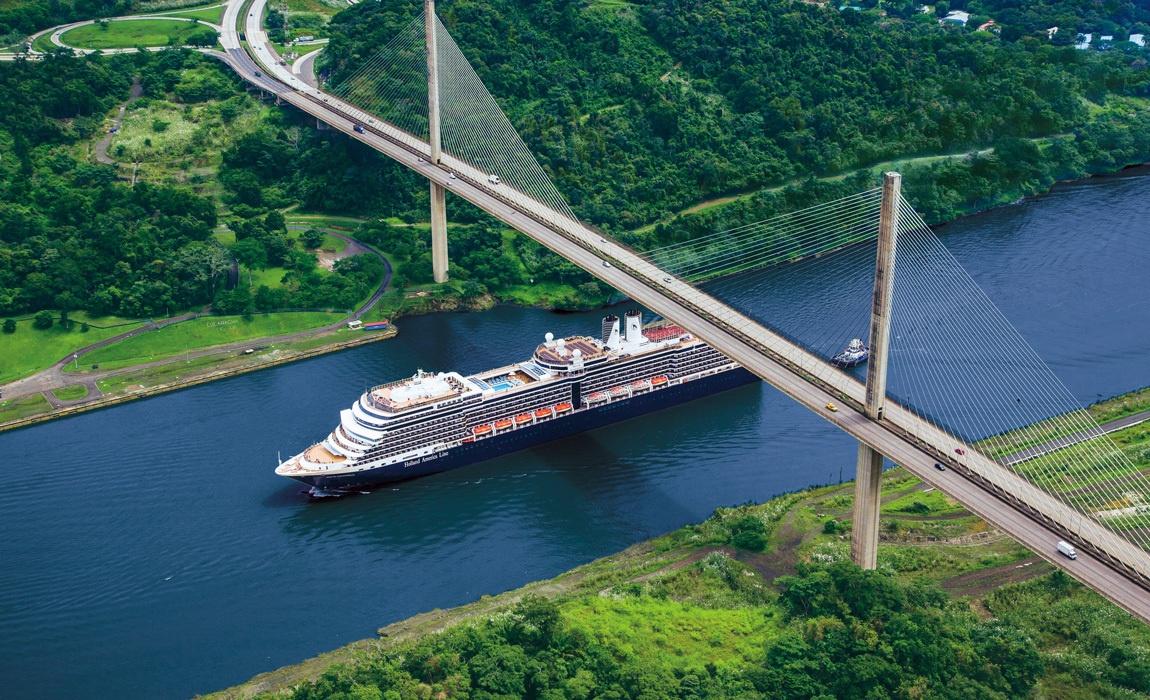
For a westbound Panama Canal cruise - the kind that ends in Los Angeles, San Diego, or San Francisco - port side is the better balcony choice. But that recommendation has almost nothing to do with what you'll actually see during the canal transit itself. The cabin-side question is really a voyage question, not a canal question. Here's the thing most articles get backwards: transit day is abow or top-deck, rail-gripping, constantly-moving experience. Your balcony matters most for the days before and after the canal, not during it.
What Is Your Favorite Type Of Cruise Excursion?
The port vs. starboard question dominates Panama Canal cruise planning - and most answers focus only on the transit day itself. Here's what actually shapes the decision across the full voyage.
- During the canal transit, most passengers spend the bulk of their time on open decks and at the bow rather than on their private balcony - so the side of your cabin matters less during the actual lock passages than most people expect.
- On a westbound transit (Caribbean to Pacific), port-side balconies face south and west as the ship heads north up the Pacific coast of Central America and Mexico, giving you several days of afternoon sun and evening sunsets from your own veranda.
- There are two main types of Panama Canal cruise experiences: a full transit crossing from one ocean to the other, and a partial transit that enters the Gatun Locks from the Caribbean side, sails into Gatun Lake, and turns around - on a partial transit, the directional cabin-side advice is largely irrelevant since you'll see both sides going in and coming back out.
- The original locks - Gatun, Pedro Miguel, and Miraflores - use electric locomotive mules running along the lock walls to guide ships through; the newer Agua Clara and Cocolí Neopanamax locks, which opened in June 2016, use tugboats instead, and accommodate the larger ships most cruise lines now deploy.
- Balcony shape matters as much as balcony side: angled or wrap-style balconies that let you see forward along the ship's hull give you a preview of what's approaching, so you can decide whether to stay put or head up to the top deck - a detail worth asking a travel advisor about when selecting a specific cabin.
Full Transit or Partial Transit - The Answer Changes Depending on Which One You're Doing
Not all Panama Canal cruises go the same distance, and the port vs. starboard recommendation is different depending on which type of transit you're on.
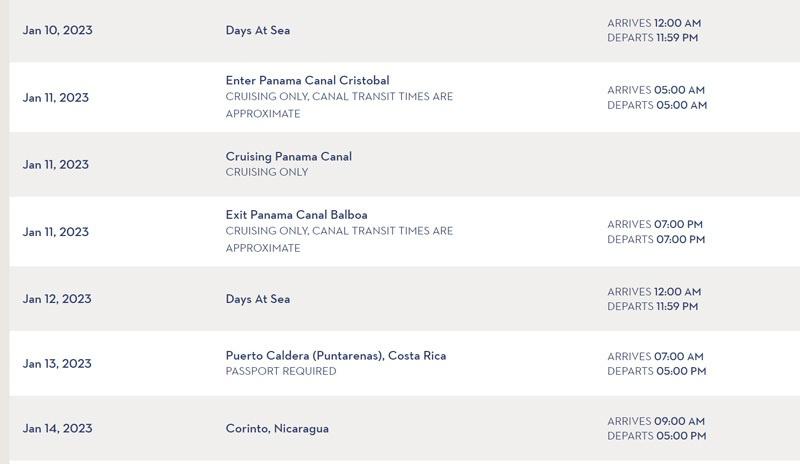
A full transit takes the ship completely through from one ocean to the other - either westbound (Caribbean to Pacific) or eastbound (Pacific to Caribbean). This is the ocean-to-ocean crossing that turns a cruise into a repositioning voyage, typically 14 nights or longer, starting and ending at different home ports. Most major cruise lines including Holland America, Princess, Celebrity, and Norwegian offer full transits as repositioning sailings, often timed around the Alaska cruise season.
Promoted by FlowAds

A partial transit is a different animal. The ship enters from the Caribbean side, passes through the three Gatun Locks up to Gatun Lake, then turns around and exits back the way it came. The whole sequence happens in a single day. Princess and Norwegian are the main lines offering partial transits as round-trip itineraries from Florida ports. The partial transit gives you the full lock experience - the chambers, the rising water, the mule locomotives at Gatun - but without the long repositioning voyage that a full crossing requires.
For a partial transit, the port vs. starboard question barely matters. You'll see both sides on the way in and on the way back out. The cabin-side decision framework below applies specifically to full transit cruises, where the directional choice has real consequences across multiple sea days.
Cruise Pick of the Month

Virgin Voyages Mexican Riviera, October 2027
Why we picked it: adults-only, with tips and most dining included.

Promoted by FlowAds

Why Most Passengers Aren't in Their Cabin During the Canal Transit
Having transited lock systems on other voyages, there's a specific thing that surprises first-timers: the balcony is not where you'll be during the actual lock passages. You'll be on the bow, at the rail, pressed up against other passengers doing exactly the same thing - watching the lock walls rise around the ship, feeling the sheer scale of the chamber close in on both sides.
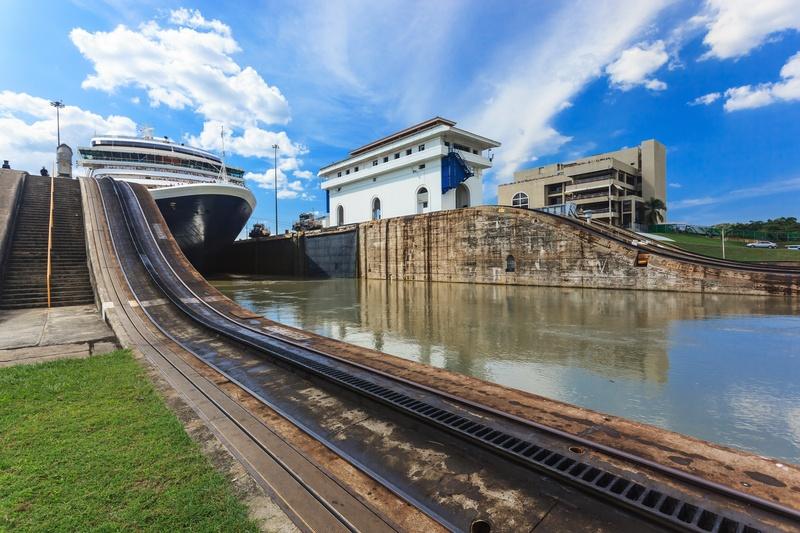
In the original Gatun, Pedro Miguel, and Miraflores locks, the electric mule locomotives run along rails on each side of the chamber, holding cables that keep the ship centered. Watching them work while standing at the rail above - the hull just a few feet from the stone wall - is something you feel physically, not just observe. The new Agua Clara and Cocolí Neopanamax locks, which opened in June 2016 and handle most of today's large cruise ships, use tugboats instead of mules. The visual is different, but the proximity to the lock walls is still remarkable.
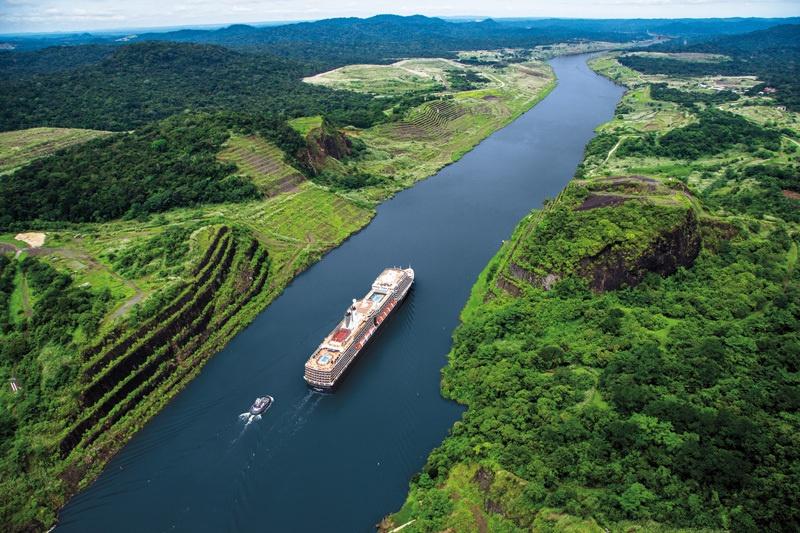
That doesn't mean the balcony is useless on transit day. Between the lock chambers, as the ship crosses Gatun Lake, the pace slows and the scenery shifts to dense jungle on both sides. That's a good moment to retreat to your cabin, order something from room service, and watch the Panamanian rainforest drift past from your own chair. Then head back up when the next lock approaches. Plan transit day like you'd plan a port day: know where the best viewing positions are on your ship, figure out bow access before you need it, and know how to get from one side of the ship to the other quickly. The transit takes 8 to 10 hours and there will be several moments worth moving for.
There are also specific landmarks visible from each side during the transit - and this is where the cabin-side question gets genuinely interesting. On a westbound transit through the original locks, port side looks toward Panama City as the ship exits the Miraflores locks, with the Miraflores Visitor Center observation deck and the Ancon Hill skyline visible in the distance. Starboard looks toward the Culebra Cut escarpment and, further north, the Gamboa area where the Chagres River meets the canal. Neither view is wrong - they're different. The honest complication is that the original locks have two parallel lanes, and which lane your ship is assigned on a given day is determined by the canal authority, not by your cruise line or travel advisor. You cannot know in advance which lane you'll be in, which means you also can't know with certainty which side of your balcony will face the more active lock wall. It's one more reason the transit-day argument for cabin side is weaker than it first appears - and why the days after the canal are where the real decision lives.
Port Side on a Westbound Full Transit - and Why It's Really About the Days After
On a westbound full transit, the ship exits the Cocolí locks on the Pacific side and turns north. From that point it's typically several sea days sailing up the coast of Central America and Mexico before reaching the first U.S. port. Port side faces south and west during that northbound run.
That means afternoons with sun on your balcony. It means Pacific sunsets - proper ones - visible from your own private veranda rather than from a crowded pool deck. For us, that's the detail that actually drives the cabin choice. Sitting on the balcony in comfortable clothes with a glass of wine, watching the sun drop into the Pacific as the ship moves north - that's the kind of quiet moment that makes a long repositioning cruise feel worth every sea day.
The coast itself is visible on this stretch, but it's distant. You're not making out individual towns or landmarks. It's more atmosphere than scenery. The sunset is the thing.
There's a second consideration during the transit itself that doesn't get enough attention: sun and shade. The Panama Canal runs roughly north-south, and during a westbound transit the afternoon sun tracks to the west - which puts it directly on the starboard side of the ship during the lock passages and the Gatun Lake crossing. Port side is shaded. In 85 to 90 degree heat, that's a meaningful difference for anyone planning to spend time on their balcony during the transit rather than on the open decks. It's also a significant factor for photography. Shooting from the starboard side in the afternoon means shooting into the light - which can work beautifully for certain shots but creates real challenges for anything where you want detail on the lock walls or the ships passing alongside you. Port side gives you consistent, even light on the canal infrastructure throughout the afternoon. Neither choice is objectively better - some people prefer the warmth and the particular quality of backlit water - but it's a variable worth understanding before you book, not after you're onboard.
Westbound itineraries heading north often include stops along the Central American and Mexican Pacific coast. Puerto Chiapas, Mexico is a common first Mexican port of call after the canal transit, before the itinerary continues toward Huatulco, Manzanillo, Puerto Vallarta, or Cabo San Lucas depending on the cruise line. Port-side balconies will face these ports as the ship arrives and departs - a small but consistent advantage across several port calls.
For an eastbound full transit - Pacific to Caribbean - the logic flips. Starboard side faces west on the southbound run from a U.S. port down toward Panama, giving you the afternoon sun and coastal light going down. Once through the canal and into the Caribbean, itinerary geometry takes over and the directional advantage becomes less consistent.
Balcony Shape, Ship Size, and What Your Travel Advisor Actually Knows
Balcony geometry matters more than most cabin-selection guides acknowledge. Not all balconies face straight out from the hull. Corner cabins and certain suite categories on many ships have angled or wrap-style balconies that let you see forward along the ship's path. During a slow lock passage or the crossing of Gatun Lake, that angle is meaningful - you can watch the next chamber or the bend in the channel appear ahead of you, and decide from the comfort of your chair whether it's worth heading up to the top deck or whether the view from where you're sitting is enough.
Heather's standard advice when clients ask about Panama Canal cabin selection: think about balcony shape alongside balcony side. An angled balcony on the technically "wrong" side can outperform a straight-out balcony on the "right" side during the transit itself. Getting that specific about deck plans and cabin categories is exactly where working with a cruise specialist pays off - if you want to work with Heather at Flow Voyages on finding the right cabin, that level of detail is part of the conversation.
Ship size matters too, and it changes which set of locks you'll use. Ships that fit within the original Panamax dimensions - roughly 965 feet long and 106 feet wide - use the original Gatun, Pedro Miguel, and Miraflores locks with the mule locomotives. These tend to be smaller and mid-size ships: Celebrity's Millennium class (Millennium, Infinity, Summit, Constellation), Holland America's Vista and Signature class ships, Princess's Coral class (Coral Princess, Island Princess), and most luxury and expedition lines including Azamara, Oceania, Silversea, Regent, Seabourn, Viking, and Windstar. These ships fit the original chambers with clearances sometimes measured in inches, which is part of what makes the experience visceral. Larger ships - Norwegian Bliss, Encore, and Joy; Celebrity Edge class; Princess Sapphire, Crown, and Grand Princess; Cunard Queen Mary 2 and Queen Anne; Holland America Nieuw Statendam - use the Agua Clara and Cocolí Neopanamax locks. Both sets of locks are genuinely impressive, but they're different experiences. If the mule locomotives and the tight original-lock fit are what you're specifically after, that means booking a smaller ship, and a travel advisor can help you identify which ships in a given cruise line's fleet still qualify.
Port Side Is the Call - With One Condition
For a westbound full transit of the Panama Canal, choose port side. The canal transit day itself rewards being mobile and on the open decks regardless of your cabin location. What port side delivers is every afternoon and evening for the rest of the voyage north - the sunsets, the Pacific light, the sea days that are actually the heart of a long repositioning cruise.
The one condition: if you find a cabin with a significantly better balcony shape or position on the starboard side, it's worth reconsidering. Cabin geometry is a real variable. Let your travel advisor pull the deck plans and help you sort it out before you commit. The difference between a balcony that faces straight out and one that lets you look forward along the hull is not trivial on a transit that takes all day.
The canal itself will take care of its own impression. No one who's watched a lock chamber close around their ship walks away thinking they were on the wrong side.
Thanks for reading. We hope this was helpful!
Why stop now?
Participate In Our Polls | Ask or Answer A Cruise Question | Contact Heather to Book Your Next Cruise!